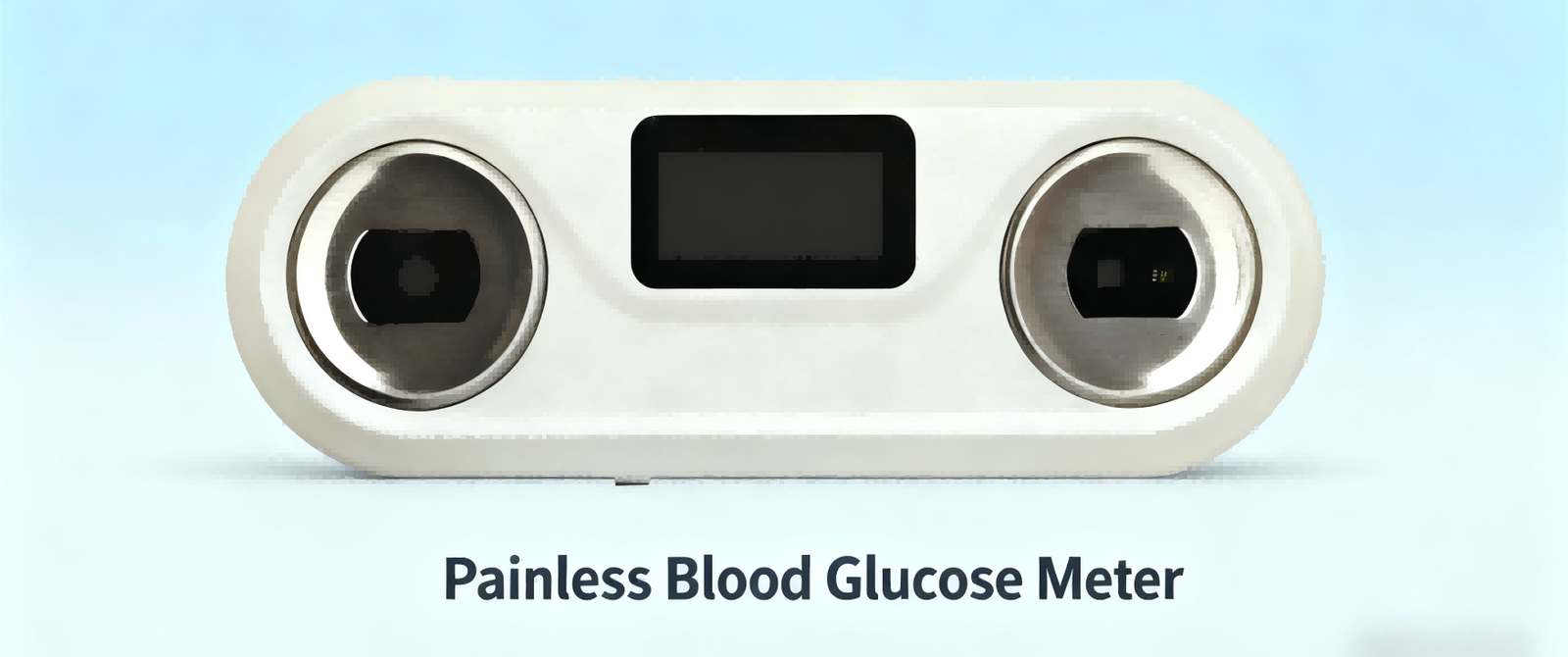
For individuals living with diabetes or those requiring regular blood glucose tracking, traditional finger-prick glucose meters have long been a necessary yet unwelcome part of daily health management. The discomfort of lancing, the risk of infection, and the psychological stress associated with repeated pricks often lead to inconsistent monitoring, undermining effective diabetes control. However, the advent of painless glucometers has transformed this experience, merging cutting-edge technology with user-centric design to redefine how we track blood sugar levels. This article delves into the science behind these innovative devices, their key advantages, real-world applications, and the profound impact they have on health management.
At the core of painless glucometers lies non-invasive or minimally invasive technology that eliminates the need for deep skin punctures. Unlike traditional meters that require a drop of capillary blood from a finger, most painless models leverage advanced sensing methods such as near-infrared spectroscopy (NIRS), radiofrequency impedance, or transdermal extraction. NIRS-based devices, for instance, emit low-intensity infrared light that penetrates the outermost layer of the skin (epidermis) to detect glucose molecules in the underlying interstitial fluid. The light interacts with glucose particles, and the device measures the resulting wavelength shifts to calculate blood glucose levels with high accuracy. Another common technology is transdermal extraction, where a gentle electrical current or vacuum draws tiny amounts of interstitial fluid through microchannels in the skin—too small to cause pain—for glucose analysis. These methods bypass nerve endings in the dermis, ensuring a comfortable experience while maintaining medical-grade precision.
The advantages of painless glucometers extend far beyond comfort, addressing key pain points of traditional monitoring. First and foremost is improved adherence: Studies show that users are 30-40% more likely to check their blood glucose regularly when using painless devices, as they eliminate the fear of pain and the hassle of dealing with lancets and test strips. This consistent monitoring is critical for preventing hyperglycemia (high blood sugar) and hypoglycemia (low blood sugar), which can lead to serious complications such as nerve damage, kidney failure, and cardiovascular disease. Additionally, painless glucometers offer greater convenience: many are compact, portable, and compatible with smartphones, allowing users to track their readings in real time, set reminders, and share data with healthcare providers seamlessly. Some models even feature continuous monitoring capabilities, providing 24/7 glucose insights without the need for manual checks.
From a user experience perspective, painless glucometers prioritize accessibility and simplicity. They are particularly beneficial for children and adolescents with diabetes, who may struggle with the anxiety of finger pricks, and elderly users with fragile skin or limited dexterity. The non-invasive design also reduces the risk of skin irritation, infections, and scarring associated with repeated lancing. For athletes and fitness enthusiasts, these devices enable convenient glucose monitoring during workouts, helping optimize nutrition and performance. Moreover, the integration of smart technology enhances user engagement: many apps paired with painless glucometers offer personalized insights, trend analysis, and educational resources, empowering users to take proactive control of their health.
The technological innovations behind painless glucometers continue to evolve, driving improvements in accuracy, speed, and functionality. Modern devices use advanced algorithms to calibrate readings, ensuring they meet the rigorous standards set by regulatory bodies such as the FDA and ISO. Some models incorporate AI-powered features that learn from user data to predict glucose fluctuations, providing early warnings for potential spikes or drops. Additionally, advancements in battery life and sensor technology have made these devices more reliable for long-term use, with some continuous monitoring systems offering up to 14 days of wear time without needing replacement.
In terms of health management value, painless glucometers play a pivotal role in promoting preventive care. By making glucose monitoring more accessible and less aversive, they enable individuals to detect changes in their blood sugar levels early, allowing for timely adjustments to diet, exercise, or medication. This proactive approach not only improves quality of life but also reduces healthcare costs associated with diabetes-related complications. For healthcare providers, the real-time data from these devices facilitates more informed treatment decisions, as they can monitor patient progress remotely and tailor interventions to individual needs.
While painless glucometers offer numerous benefits, it is important to note their limitations. Some non-invasive models may have slightly lower accuracy compared to traditional finger-prick meters, especially in extreme glucose ranges, and they may be more expensive upfront. However, as technology advances, these gaps are narrowing, and the long-term benefits of improved adherence and better health outcomes often outweigh the initial cost. It is also essential for users to follow the manufacturer’s instructions for proper use, as factors such as skin temperature, hydration levels, and device placement can affect readings.
In conclusion, painless glucometers represent a significant leap forward in diabetes care and health monitoring. By combining non-invasive technology with user-friendly design and smart features, they have transformed a once-uncomfortable routine into a seamless, empowering experience. Their ability to improve monitoring adherence, enhance convenience, and provide valuable health insights makes them an indispensable tool for individuals living with diabetes and anyone seeking to maintain optimal blood glucose levels. As technology continues to advance, we can expect further innovations in painless glucose monitoring, paving the way for more personalized, accessible, and effective health management solutions.